
If you see, hear or feel…
- A sudden sea level change
- An intense noise coming from the sea
- A strong, long-lasting earthquake
Don't wait, get to safety!
Training
Learn the evacuation routes for Chipiona and save your zone's map to your phone.
View the mapsWarning indicators
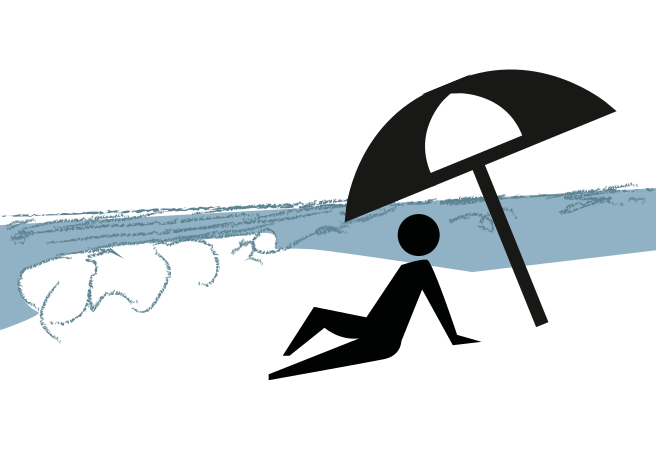
The sea itself may warn you before any siren does. Either one is reason enough to get to safety.
Don't wait, get to safety!
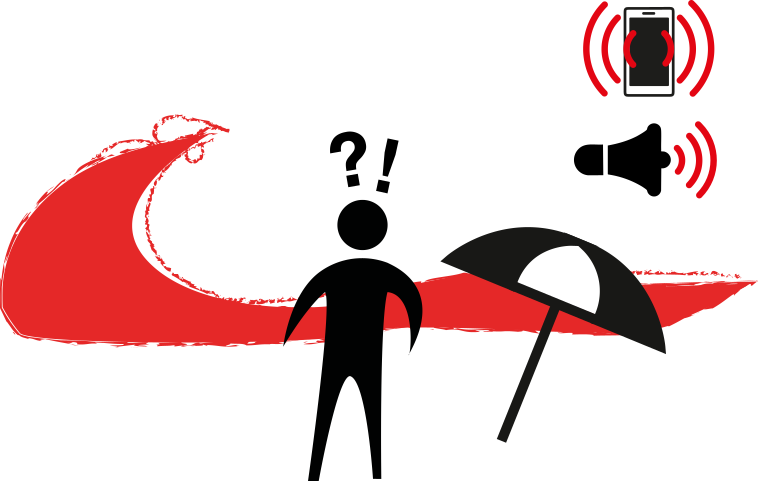
Coastal siren, ES-Alert on your phone, loudspeakers, radio or television. Alerts arrive through several channels at once.
What to do
The order matters. Only skip a step when the previous one is impossible.
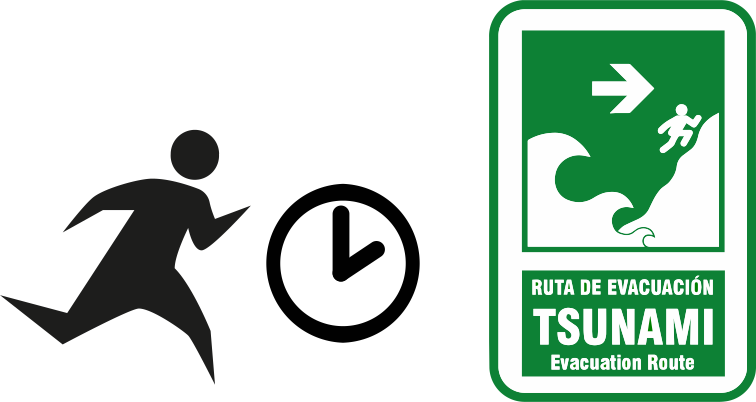
Follow the designated routes.
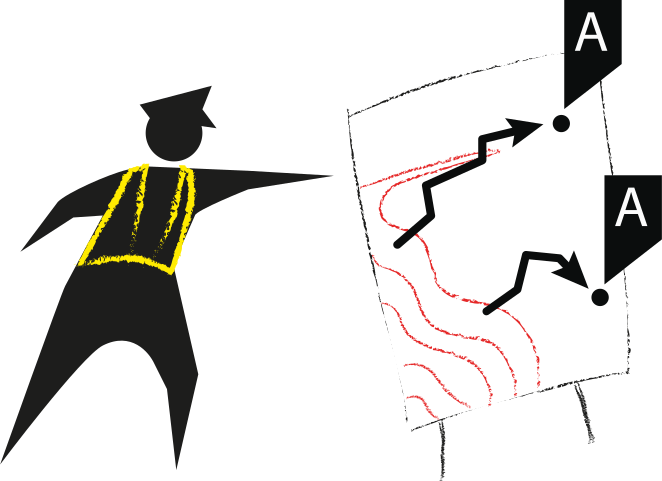
Follow the authorities and the street signage.
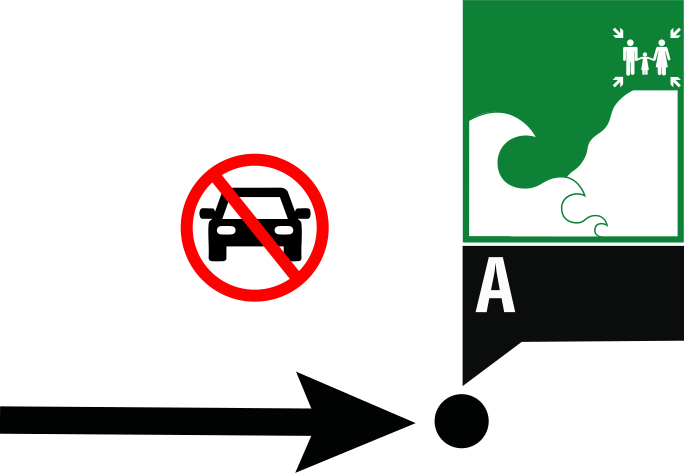
On foot. Do not use a vehicle.
If you cannot reach safe ground
These two are not alternatives to the steps above: they are what remains when moving inland is no longer possible.
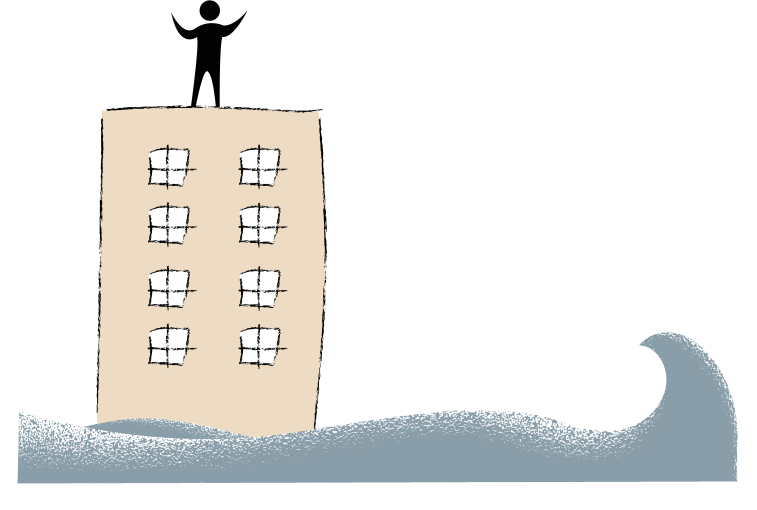
You may consider going up to the 4th floor of a solid building.
* The Municipality does not yet have a catalogue of tsunami-resistant buildings.
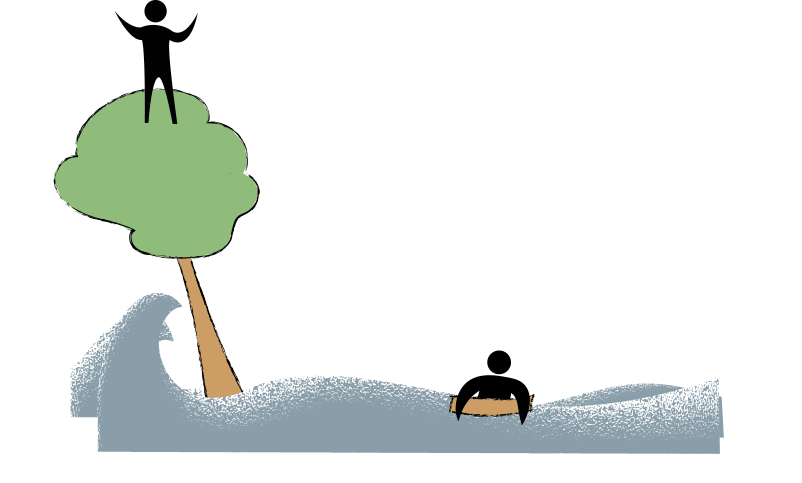
Climb a tree. If you are dragged, get onto something that floats.
Afterwards
When the authorities so provide.
Stay away from hazard areas until a recognised authority issues an end of warning and provides instructions for action.
A tsunami is not a single wave, but a series of waves carrying a huge volume of water that can flood, carry debris and inundate land for hours. The first wave may not be the largest.
Additional tips
Keep it ready and somewhere the whole family knows. There is no time to look for it during an evacuation.





Teaching guides

For more tips and information you can consult the available official guides.